Politics: Attributing Blame, Ignoring Solutions
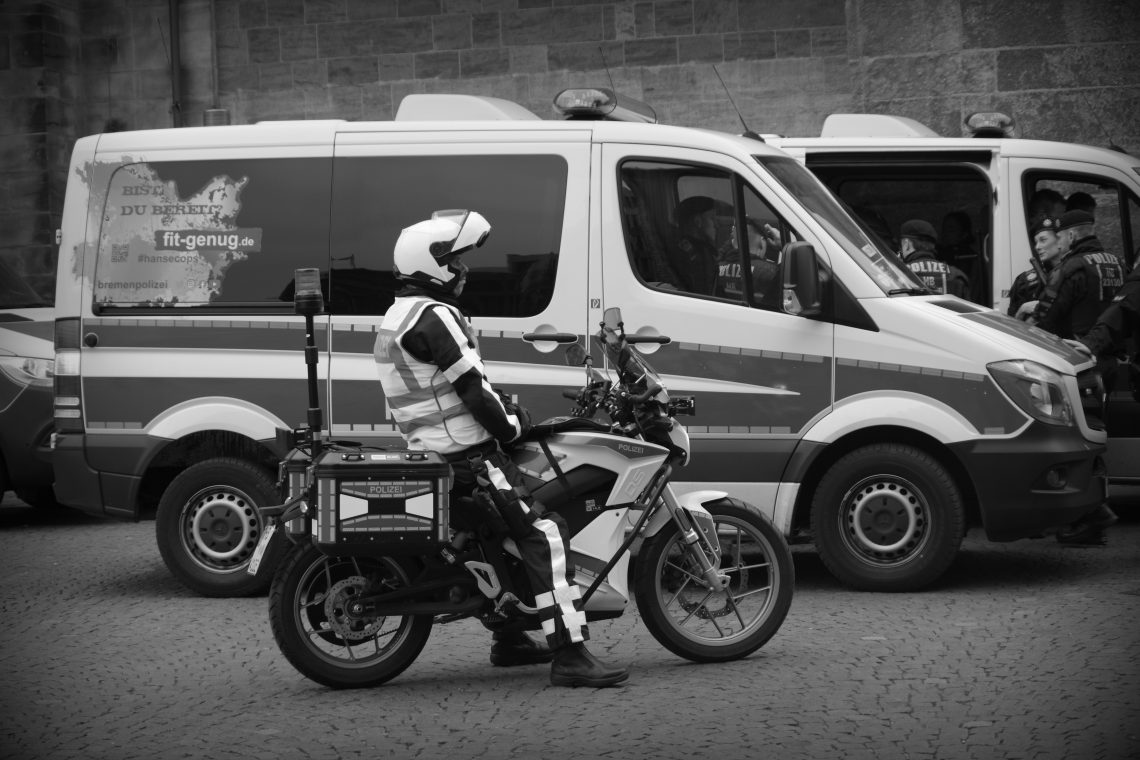
The mass demonstrations across Germany on Saturday, 31 October 2026 have not gone without notice. The presence of tens of thousands of young demonstrators across the country have excited comment and attention through a very broad spectrum of the public and in politics, but not necessarily for the right reasons. The mass media, eager for a good selling story, but without wishing the hard work involved in research and of reporting the background to the demonstrations, has concentrated on the few outbreaks of violence around the periphery of some of the marches. It is this side of the many events which has garnered headlines, and been taken up by those in politics, or claiming a connection to the political direction of the country.
Reactions to the demonstrations have been quick, and targeted. There have been calls for demonstrations to be banned outright or, at the very least, for permission to exercise Constitutional Rights to be scaled back and suppressed. Likewise there have been calls for the police and other organs of justice to act hard and fast against anyone involved with such demonstrations, and especially anyone involved with the violent outbreaks, with the attacks against the power of the State and commercial interests.
Politicians of all colours, as is often the case in national politics, have been quick to point the finger of blame but, as is also the case, it has been pointed at the wrong people. In politics it is considered better to attack and blame the reaction to a bad policy, such as demonstrations, strikes and civil disobedience, rather than address the cause. Yet it is the cause which needs addressing; it is the cause of the demonstrations, the unrest and high levels of dissatisfaction which have brought people out onto the streets to vent their anger, and to draw attention to many outstanding problems. Those problems have been created by the political will and actions of politicians and civil servants in Berlin, and not by the youth parading their displeasure in Cologne, Hamburg, Berlin or Bremen.
The finger of blame needs to be pointed at the cause, and that cause sits in the seat of political power in Berlin, not in schools or youth centres, not on the street or in ordinary households. The finger of blame needs to be pointed at politics which cut back on education, on health care, on welfare and the arts. To prevent the demonstrations, to fight back against the few instances of violence, the political elite in Berlin needs to take a good look at itself, and begin to work on remedying the causes of the demonstrations, rather than just the loud outbursts against their effects. As long as the causes are not addressed, and the least popular German Chancellor within living memory pushed to make an attempt at fulfilling the promises of his office and that of the ruling party and government, there will be demonstrations.
Organisers of the far more violent political demonstrations across France, which has a different history and attitude to combating government mismanagement, have made it clear that they employ the violence and civil disobedience because it is the only way their government can be brought to pay them any attention, to take any action to combat major social problems. Germany has not yet reached that stage, it is to be hoped that it never will, but those in politics, those in a political position to influence government policy should take note: it is a sad possibility. Attributing the blame to those trying to combat a problem will not work. The blame has to be laid squarely at the feet of those who have created the problems, and those people are the politicians themselves, and the capitalist interests feeding their policies, funding their political misadventures, harming those they should be working to benefit.

